



October 28, 2026 – Xiaomi has outlined a new 21-degree-of-freedom bionic hand designed specifically for flexible manufacturing, arguing that factory performance matters more than simply stacking joints.
The latest design comes from Xiaomi’s automotive smart manufacturing pilot center. Engineers collected multi-angle video and motion-capture data from 1,827 standard operating procedures across 16 typical production stages, covering more than 70 percent of manual tasks in those stages. After cleaning, slicing and re-targeting the data, the team ran simulation-based ablation tests to see how different hand configurations would perform in real factory work.
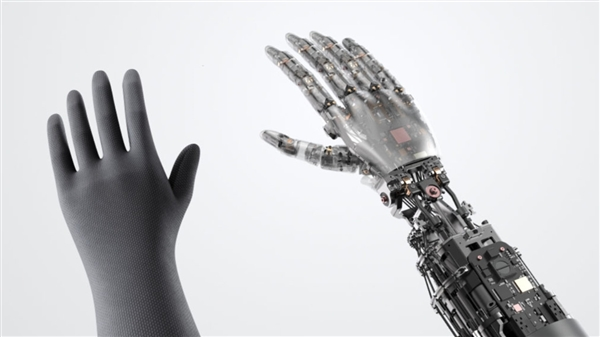
The results point to 21 degrees of freedom as the current sweet spot for industrial use. Moving from 6–15 degrees of freedom to 17–21 improved average stable grasping success by 15 to 38 percent, but pushing beyond 23 degrees brought diminishing returns. Xiaomi said the goal is to balance task coverage, mechanical complexity and engineering efficiency rather than chase maximum joint count.
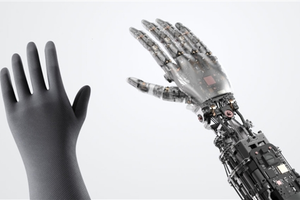
Hardware-wise, the hand uses a hybrid drive architecture. It has 26 motors in total, with tendon-driven actuation forming the main structure and five directly driven degrees of freedom placed at joints with lower load demands. Most motors are concentrated in the forearm, keeping the palm at just 324 grams and reducing rotational inertia for faster control response. To address tendon creep, the system adds tension sensors that help maintain consistent force control during grasping.
Tactile sensing is another focus. The hand carries 1,500 sensing points across the palm, with 1 mm resolution between fingers and 2 mm resolution in the palm. The tactile module is designed to be replaceable, which could make maintenance and data collection easier in factory settings.
Thermal management is also critical because densely packed motors and sustained gripping can push single-hand power consumption past 100 watts. Xiaomi developed a thermal prediction model that estimates temperature changes over the next five to ten minutes with better than 3°C accuracy, allowing the system to adjust tasks, torque or cooling in advance. The company is also exploring high-performance heat-dissipating fabrics to improve natural cooling under its full-coverage exterior.
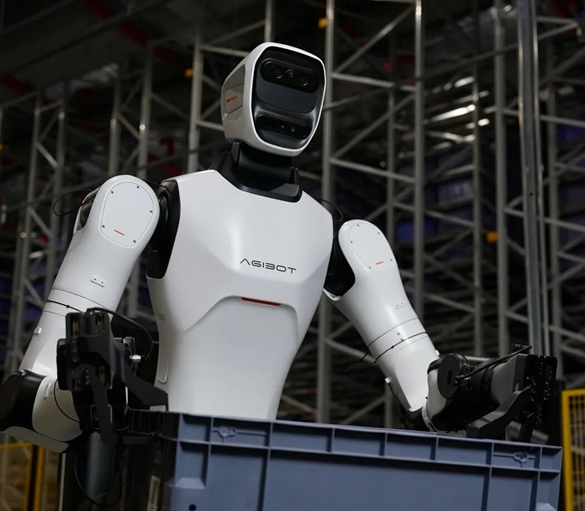
The update fits into Xiaomi’s broader push to bring humanoid robots into real production lines. Its robot has already been tested in automotive assembly tasks, including self-tapping nut installation and flexible cover-panel sorting, where success rates have risen sharply after months of factory trials. A more capable dexterous hand could help close the remaining gap between lab demos and stable, long-duration factory work.