



October 27, 2026 – Ant Group has released Lingguang 2.0, upgrading its consumer AI assistant from a tool that answers questions and generates content into one that can actively monitor and manage personal tasks. After receiving user authorization, Lingguang can connect to existing information sources and services, identify potential needs, and continue tracking them across conversations.
The update strengthens cross-session memory, long-horizon task scheduling and tool integration. Running on an independent cloud instance, Lingguang can keep working after the user leaves the chat and respond to new information or status changes. This shifts its role from one-off task execution to continuous personal task management.
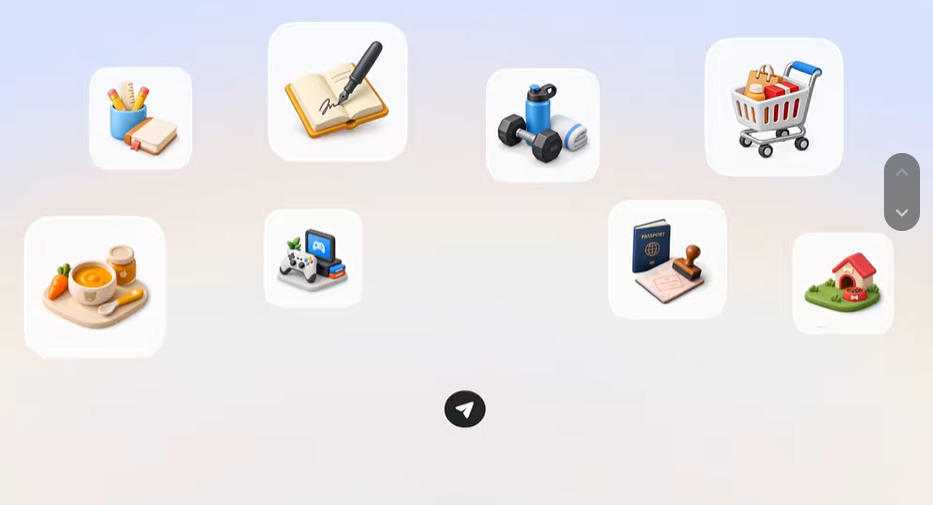
In daily use, Lingguang 2.0 covers consumption, travel, family and smart-home scenarios. After a user authorizes access to Alipay, it can review spending records, flag forgotten auto-renewal subscriptions and suggest cost-saving options. For travel, it can continue monitoring flight and hotel prices after booking and notify users of price drops. In family scenarios, it can organize teacher notices from DingTalk class groups, extract to-do items and help format documents. It can also track long-term reminders such as pet care, child vaccination schedules, family anniversaries and vehicle inspections.
Lingguang 2.0 connects to services inside the Alipay ecosystem and supports calling external tools such as MCP and CLI in open environments. It already integrates Alipay bills, membership and travel services, as well as DingTalk, Feishu, email and Mi Home, extending its scope from personal information management to cross-platform workflows and smart-home device control.
As the assistant takes on more autonomous actions, Ant Group has added security controls through APASS, a cross-agent, cross-device and cross-application account and security infrastructure. APASS separates authorization keys from the agent, allowing users to review, adjust or revoke permissions at any time.
The Lingguang app was launched on November 18, 2025 as a multimodal general-purpose AI assistant and surpassed 2 million downloads within six days. Its earlier versions focused on features such as generating mini-apps from natural language prompts and creating multimodal content. The 2.0 upgrade signals that personal AI assistants are moving from reactive chatbots toward agents that can remember context, track changes over time and intervene when needed.