




September 9, 2026 – It is no exaggeration to say that the global smartphone industry has reached a fever pitch this week. Domestic tech giants Xiaomi and Huawei scheduled their new product launch events on the exact same day, while Apple is set to hold its own event in the early hours of tomorrow.
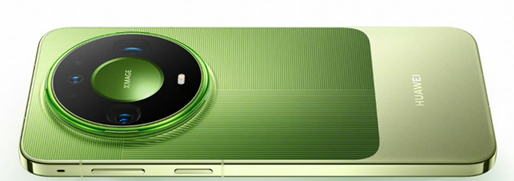
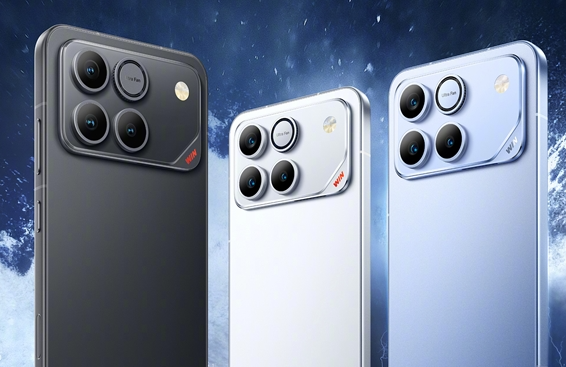
At its September 7 launch event, Xiaomi unveiled its highest-end “mid-fold” flagship, the Xiaomi 18 Fold. Simultaneously, Huawei introduced the iteratively upgraded tri-fold Mate XT2. These two models represent the pinnacle of different form factors in the domestic foldable screen market.
Beyond their standout new flagship form factors, both companies also showcased their proprietary flagship mobile chips: Huawei’s Kirin 9050 Pro and Xiaomi’s Xuanjie O3. This direct head-to-head confrontation between domestic high-end chips has raised the performance ceiling for domestic processors to unprecedented heights.
Meanwhile, Apple’s annual fall launch event is poised to begin. In addition to the regularly updated iPhone 18 Pro series, the highly anticipated iPhone Ultra foldable phone will make its official global debut, finally filling Apple’s long-standing gap in the foldable market.
Recently, many consumers planning to upgrade to a flagship device have found themselves in a state of “happy indecision.” Facing three top-tier domestic foldable phones, it is difficult to declare an absolute best option. The Huawei Mate XT2 features a tri-fold design with multi-form factor capabilities; the iPhone Ultra focuses on a large-size outward-folding “wide-fold” design; and the Xiaomi 18 Fold offers a “mid-fold” form factor that balances portability and practical utility. These distinct product positioning strategies perfectly cater to varying user needs.

Furthermore, many consumers have clearly noticed that this year’s new flagship releases have abandoned the traditional high cost-performance ratio. The starting prices for the top-tier models have universally entered the 10,000 RMB+ range. The core reason behind this is the continuous surge in the prices of upstream core raw materials, such as storage and processors. As brands max out their configurations with premium components, the retail pricing naturally follows suit.