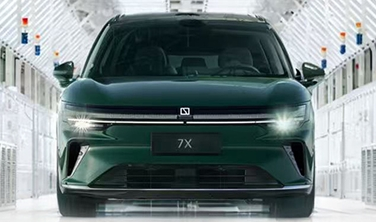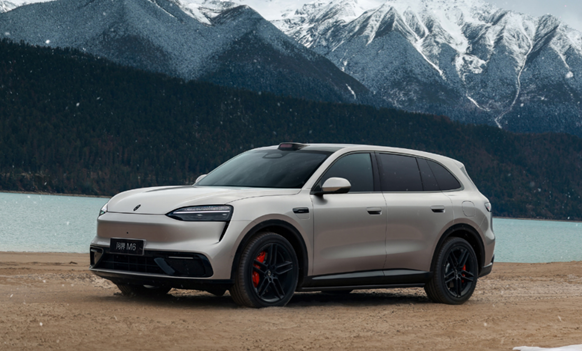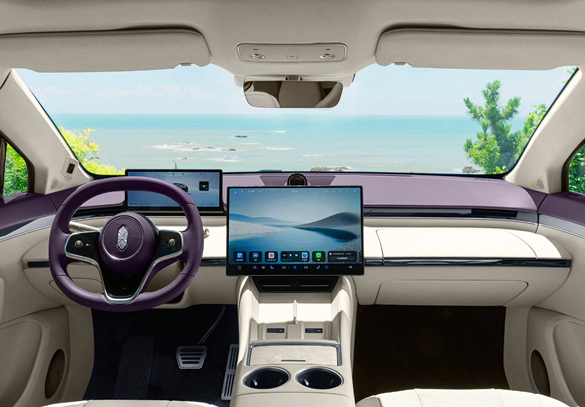




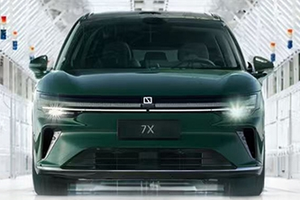
July 29, 2026 –Lei Jun, founder of Xiaomi Group, took to social media on Wednesday to publish a detailed long post, directly addressing two widely discussed questions surrounding the brand’s upcoming SkyNomad series: why Xiaomi chose the extended-range electric (EREV) path, and whether the company is entering the market too late.
In his statement, Lei emphasized that the choice between battery-electric (BEV) and extended-range architectures has never been a rigid “technology route battle” — it is, instead, a deliberate decision rooted in product positioning and the pursuit of targeted user experience. He explained that the SU7 and YU7 lines are explicitly engineered as “driver’s cars,” prioritizing razor-sharp throttle response and precise handling, where a pure BEV layout delivers the most uncompromised, streamlined performance.
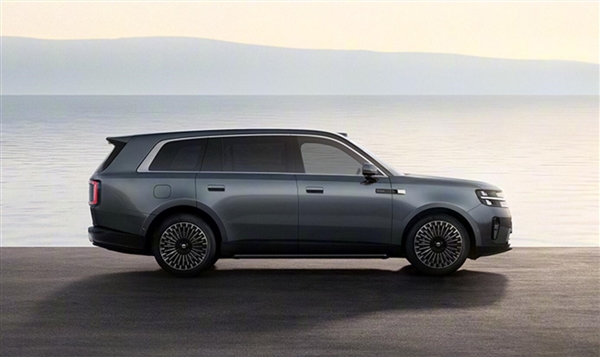
For the new SkyNomad family, positioned as a “smart, adaptable large-space SUV” built to support every possible scenario of modern family life, the core priorities are long driving range, exceptional durability, and unrestricted energy replenishment freedom. Lei pointed out that a large, boxy full-size SUV built as a pure EV would require an extremely heavy high-capacity battery pack, which would in turn increase overall vehicle mass and ultimately undermine real-world energy efficiency and effective range — a physical tradeoff that the extended-range architecture elegantly avoids.
Pushing back against widespread industry doubts that the EREV segment is already saturated, Lei argued the market is far from reaching its ceiling and still holds massive untapped potential. He cited Li Auto’s all-new L6 as a compelling case study: the model has maintained strong, sustained sales momentum since launch, without cannibalizing demand for the brand’s pure-electric i6. This, he noted, proves that consumer demand for well-engineered extended-range vehicles is genuine, robust, and that buyers are fully willing to pay a premium for outstanding products.
Lei added that the extended-range technology category is currently undergoing a generational, paradigm-shifting evolution. Xiaomi’s SkyNomad EREV system has systematically resolved nearly all the common pain points that plagued early-generation extended-range vehicles, including major improvements to battery capacity, real-world fuel consumption, and long-term maintenance costs. He concluded that no single powertrain architecture holds inherent absolute technical superiority — the only meaningful distinction lies in the quality of the end-user experience.
Shortly after Lei’s post went viral, Li Xiang, CEO of Li Auto, shared the statement on his own social channels to formally welcome Xiaomi to the extended-range vehicle track, and wished the upcoming SkyNomad series every commercial success. Li echoed Lei’s observation that state-of-the-art modern EREV technology is vastly more refined than its early iterations, noting that the latest Li Auto L9, L8, and the new-generation L6 highlighted by Lei have already won massive user acclaim, further validating that consumers will reward thoughtfully built extended-range products. He also publicly thanked Lei for his longstanding support for Li Auto, from livestreaming his full-price purchase of a Li L6, to praising the Li MEGA during a CCTV interview, and even recommending the Li i6 at a public product launch event.
The public show of mutual goodwill between the two industry leaders immediately resonated in capital markets: by midday trading on July 29, Xiaomi Group’s Hong Kong-listed shares surged 9.16%, while Li Auto’s stock climbed 10.1%, reflecting investor optimism about the healthy, competitive dynamic unfolding in China’s booming new-energy SUV segment.