



July 13, 2026 – Multiple insiders from Tesla’s supply chain have revealed to the media that the electric vehicle and tech giant has issued detailed procurement guidelines for components of its Optimus humanoid robot to its suppliers, marking a critical step toward the robot’s large-scale manufacturing.
According to Tesla’s official production capacity roadmap, the company has set strict milestones for Optimus production: the factory must achieve a weekly output of 1,000 units by September this year, and further ramp up the weekly production capacity to between 2,000 and 2,500 units by the end of 2026. Based on this year-end capacity plan, Tesla’s supply chain will be able to support an annual component supply capacity of approximately 100,000 Optimus robots, laying a solid foundation for the robot’s market rollout.
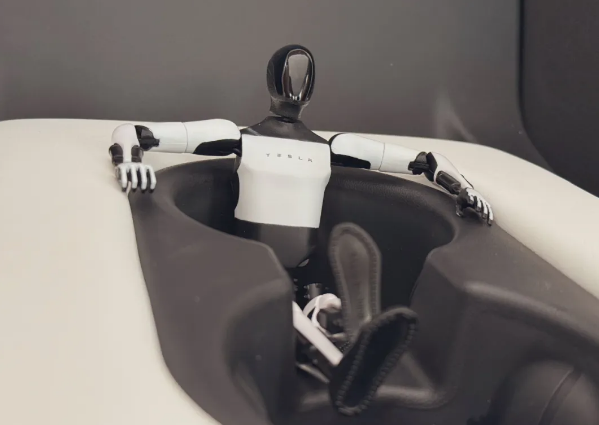
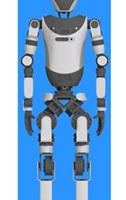
The issuance of these procurement orders comes after a key executive meeting held by Tesla at the end of June, where CEO Elon Musk reviewed and finalized the latest version of the Optimus robot. This decision signifies that the Optimus Gen 3, which has undergone more than three years of research, development and iterative upgrades, has been officially finalized. With no further adjustments to its product design, the robot has now fully entered the substantive stage of mass production.
To ensure the achievement of these ambitious production goals, Musk issued a tough mandate during the executive meeting: the Optimus procurement team must complete the year-end capacity targets as scheduled. Failure to meet these goals will result in a complete replacement of the entire procurement team, highlighting Tesla’s determination to push forward with the robot’s mass production.
In a concurrent development, an official video recently released by Tesla has confirmed a major shift in the company’s business focus. The video documented the complete demolition process of the original production lines for the Model S and Model X at Tesla’s Fremont factory in California, U.S. These production lines, which once bore the responsibility of manufacturing Tesla’s classic electric vehicle models, have officially been removed from the company’s production sequence.
Insiders disclosed that the entire demolition project of the Model S and Model X production lines took only 46 days to complete. During the construction period, Tesla deployed a large number of heavy-duty equipment to completely dismantle the original concrete foundations, industrial robotic arms and the full set of conveying equipment. The purpose of this large-scale demolition is to free up space for the construction of a brand-new production line dedicated to humanoid robot manufacturing.
At present, the finalized Optimus Gen 3 has already started small-scale trial production at the Fremont factory. The newly renovated production line is expected to officially launch large-scale mass production from late July to August this year. This series of moves clearly indicates that Tesla’s business focus is now fully shifting to the humanoid robot sector, a new core track that the company believes will drive its future growth.
Industry analysts point out that Tesla’s rapid transition from electric vehicle production to humanoid robot manufacturing reflects the company’s long-term strategic layout in the field of artificial intelligence and robotics. The mass production of Optimus Gen 3 is not only a milestone for Tesla but also a significant development for the global humanoid robot industry, which is expected to accelerate the commercialization of humanoid robots in various fields such as manufacturing, logistics and household services.