






July 10, 2026 – Tesla has rolled out formal component procurement benchmarks to its supply chain network, laying out rigid volume milestones for the Optimus Gen 3 humanoid robot after more than three years of in-house R&D, industry insiders familiar with the matter disclosed.
Under the newly issued procurement roadmap, manufacturing partners must ramp their component output to support 1,000 robot units weekly by September this year, before further scaling capacity to a range of 2,000 to 2,500 units per week as 2026 draws to a close. Two sources close to Tesla’s supplier base explained the automaker places purchase orders roughly two months ahead of scheduled assembly, and vendors have already received binding August orders covering hundreds of robot units. Simple math based on the year-end throughput targets indicates the full supply chain will hold the capability to deliver parts for around 100,000 Optimus robots annually by late December.
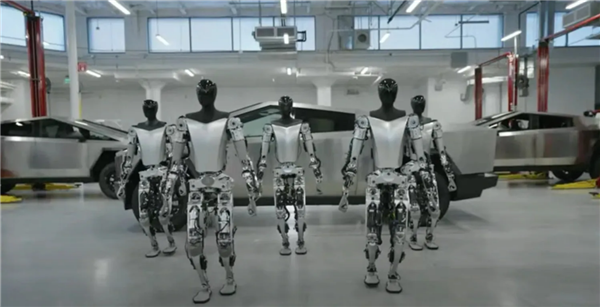
This coordinated supply chain push came after Elon Musk signed off on the finalized Optimus Gen 3 design during an internal executive summit held in late June, clearing the critical hurdle that separates lab prototype testing from formal mass manufacturing. During the same high-stakes meeting, Musk delivered an uncompromising ultimatum to the Optimus procurement division: the entire team would face full replacement if the agreed year-end production thresholds failed to be met. Industry analysts note this firm stance carries more weight than any written order forecast, boosting confidence across component manufacturers, Wall Street investors and the broader humanoid robotics sector simultaneously.
Online observers recently floated a theory that Tesla has drastically cut back public Optimus demonstrations because its mass production rollout is advancing far faster than external forecasts. Musk directly dismissed this speculation on social media, offering a grounded reality check for market watchers. “Production of Optimus will be extremely slow to start, as every single part and manufacturing workflow is brand new territory,” Musk stated. “This process cannot be compared to building electric vehicles at scale.”
Back in March of this year, Musk hailed Optimus Gen 3 as the most sophisticated humanoid robot ever developed worldwide, claiming he had yet to witness rival robotic systems that could match its functional performance in live demonstrations. The CEO previously outlined a phased manufacturing timeline: low-volume pilot assembly would kick off over summer 2026, while high-volume mass production is scheduled to launch in 2027.
During Tesla’s Q1 2026 earnings conference call, Musk confirmed the Fremont factory would begin assembling physical Optimus robots in late July or August, yet tempered overly optimistic investor sentiment by warning initial output figures would remain modest. The core bottleneck stems from the factory’s brand-new dedicated assembly line engineered exclusively for humanoid robots, paired with a bill of materials featuring 10,000 distinct custom components. Given the unprecedented complexity of coordinating so many unique custom parts, Musk stressed there is no reliable way to accurately predict how quickly production volumes can climb throughout the rest of 2026.