



June 30, 2026 – Toyota Motor Corporation has retained its title as the world’s top-selling automaker for the sixth straight year, with its combined global sales of Toyota and Lexus branded vehicles surpassing 10.5 million units in 2025. When incorporating sales figures from its subsidiary Daihatsu, the automotive giant’s total annual volume climbed to approximately 11.2 million units, widening its lead over the second-ranked Volkswagen Group. Excluding heavy commercial vehicles, Volkswagen’s global sales stood at around 8.7 million units last year, solidifying its long-held second-place position in the global automotive rankings.
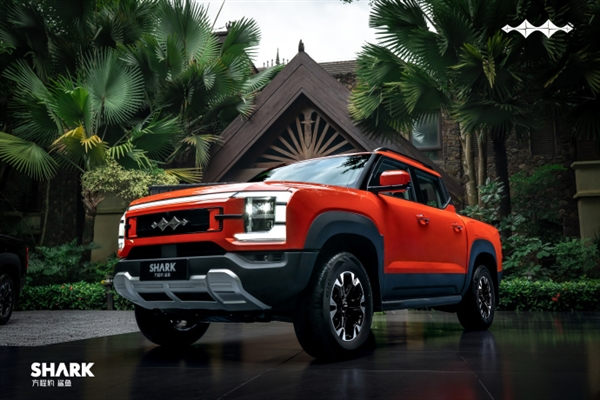
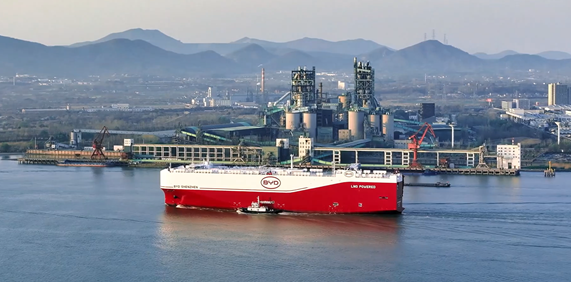
While the decades-long rivalry between Toyota and Volkswagen continues to dominate the upper echelons of global auto sales charts, the rapid expansion of Chinese automotive manufacturers has emerged as a transformative and disruptive force in the global market. BYD emerged as a standout performer among Chinese brands, delivering 4.6 million vehicles worldwide in 2025. This figure represents a 7.72% year-over-year increase, placing the new energy vehicle leader sixth in the global sales rankings. BYD chairman Wang Chuanfu has laid out an ambitious long-term vision, stating that the company possesses robust operational strength and is poised to claim the top spot in the global automotive industry within the next five years.
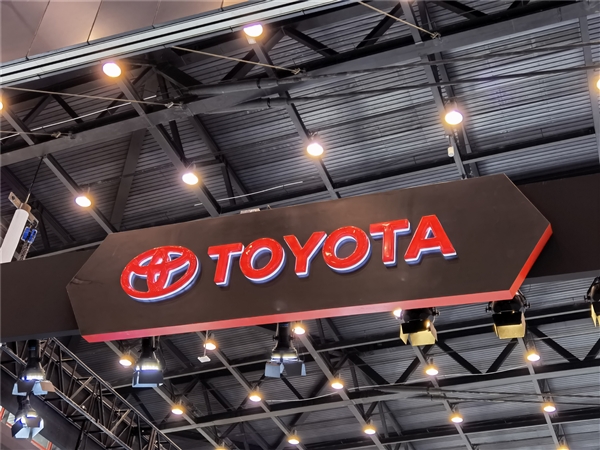
Two other major Chinese automakers have also secured positions in the global top ten, posting impressive double-digit growth rates. SAIC Motor ranked seventh globally with 4.5 million annual vehicle sales in 2025, marking a 12.3% year-on-year surge. Geely Auto, the parent company of luxury car brand Volvo, achieved a remarkable 26% annual sales jump, delivering 4.12 million new vehicles to secure ninth place worldwide.
With three domestic Chinese automakers now firmly planted in the global top ten and maintaining strong growth momentum, traditional legacy automotive giants are facing unprecedented competitive pressure. Despite the rising threat from Chinese rivals, Toyota remains confident in its enduring market advantages and core competitiveness in the global arena.
In an interview with Australian automotive publication Drive, John Pappas, Vice President of Sales, Marketing and Franchise Operations at Toyota Australia, elaborated on the brand’s enduring global strengths. “Toyota’s premium market reputation is built on solid product value, backed by our globally recognized excellence in quality, durability and reliability—our core QDR credentials,” Pappas explained. He emphasized that brand trust becomes even more critical amid market and industry volatility, noting that Toyota’s loyal customer base, cultivated over decades, sustained its performance even during the pandemic era, serving as a foundational competitive edge.
Pappas further highlighted that Toyota’s competitive edge extends far beyond vehicle quality alone. The brand’s extensive global dealership network and comprehensive after-sales service system deliver consistent customer support worldwide, while strong residual value across its vehicle lineup further enhances market appeal. Additionally, Toyota’s diverse global product portfolio and region-specific tailored vehicle lineups have long underpinned its market leadership, though the Japanese automaker is now streamlining its product range to optimize operational efficiency.
As noted by automotive media outlet Motor1, while leading global sales volumes grant Toyota substantial market credibility, industry insiders stress that sales figures alone cannot define comprehensive corporate strength, with profit margins serving as a far more critical metric for sustainable automotive business operations. Toyota’s leadership has openly acknowledged the need to avoid complacency amid its sales success.
Earlier in 2025, Toyota CEO Koji Sato issued a stark warning to suppliers regarding the company’s operational challenges, underscoring a growing sense of crisis within the firm. “If we fail to improve our current cost structure, our future sustainability will be at risk,” Sato stated. “I urge every team member to adopt a crisis mindset— the entire automotive industry is now in a fierce fight for survival.”
Against this backdrop, the competitive challenge posed by fast-growing Chinese automakers has evolved from a potential future threat into a tangible, present reality for Toyota and other established global automotive incumbents, reshaping the competitive landscape of the global automotive industry.