


October 19, 2026 —Huawei has been rolling out multiple devices powered by its self-developed chips, making it clear that production capacity for the Kirin 9050 series is steadily increasing. According to the latest supply-chain news, Huawei is expected to officially launch the next-generation foldable smartphone, the Mate X8, as early as November. The high-end flagship will be equipped with the mass-production version of the Kirin 9050 series processor.
Based on previously leaked details, the Mate X8 will continue Huawei’s classic horizontal inward-folding design. It will feature an approximately 6.5-inch outer screen and an 8.15-inch inner screen when fully unfolded. Both displays will use UTG ultra-thin glass covers, offering noticeably improved drop and bend resistance compared to the previous generation. The inner and outer screens will both be 2K LTPO OLED panels with adaptive refresh rates. The official rated folding lifespan reaches 500,000 cycles, and the device supports IPX8 water resistance.
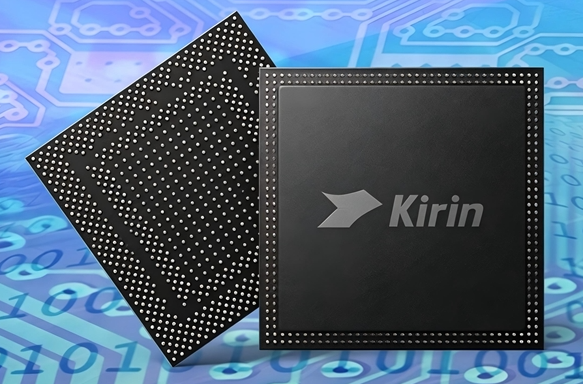
The Mate X8 series will not be limited to a single base model. The product line will cover multiple configurations at different positioning levels, powered by two different specifications: the Kirin 9050 and the Kirin 9050 Pro, meeting different user needs for performance. For battery life, it will house a large 6,000 mAh-plus battery designed specifically for foldables, supporting 66W wired SuperCharge and 50W wireless charging. On the imaging side, it will carry a 50-megapixel 1/1.28-inch SC595 large-sensor RYYB main camera, paired with a 50-megapixel periscope telephoto lens, while retaining the Hongfeng true-color lens. The device will ship with HarmonyOS 7, optimized for large-screen multitasking and cross-window collaboration.
Following Huawei’s pricing pattern for previous foldable flagships, this new series, positioned for the premium business market, will likely start at around 10,000 yuan. The top configuration may offer 20GB of RAM and 2TB of storage, and it will support the M-Pencil stylus bundle.
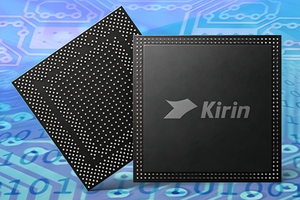
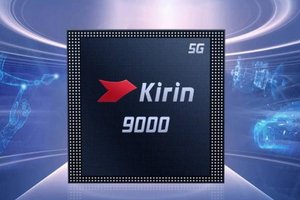
Supply-chain sources have pointed out that, despite constraints on advanced manufacturing processes, the production capacity of the Kirin 9050 series is rising quickly under the support of “Taoding Law,” mainly backed by China’s mature domestic supply chain. The Kirin 9050 series adopts logic-folding technology, vertically stacking multiple bare dies to increase transistor density by 53.5 percent. The Kirin 9050 Pro’s high-performance CPU cores deliver 41 percent better energy efficiency, while NPU computing power increases by 140 percent.
From the Mate 90 series and the tri-fold Mate XT 2 to the upcoming Mate X8, multiple high-end models are successively adopting the Kirin 9050 series, marking the transition of China’s high-end chips from technical validation to large-scale commercial deployment. As of the 41st week of 2026, Huawei held a 72.7 percent share of China’s foldable smartphone market and an 85 percent share in the segment above 10,000 yuan. With Kirin 9050 capacity catching up, Huawei is confident enough to give the Mate X8 a standalone launch in November. Foldables are shifting from a technology showcase to a regular, scalable product line for the company.