





May 30, 2026 – BMW Group is set to deploy humanoid robots at its Leipzig plant in eastern Germany this summer, marking a major step toward integrating advanced robotics into automotive manufacturing. The move, part of a broader strategy to redefine production processes, will see the machines take on tasks like high-voltage battery assembly and component manufacturing—potentially reshaping how BMW and MINI vehicles are built.
In an interview with BBC, BMW’s head of process management and digitalization emphasized the significance of the shift: “Humanoid robots are the future of car production. Their human-like design means they can be assigned to virtually any role currently held by human workers.”
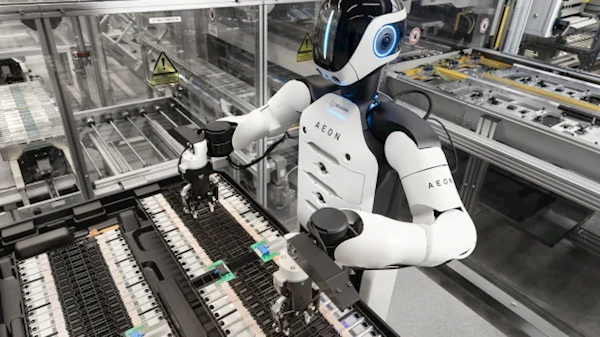
The Leipzig initiative follows a phased testing approach. Earlier this year, BMW began trials in Germany, building on previous experiments at its Spartanburg facility in the U.S. Once the Leipzig pilot officially launches this summer, the robots will focus on assembling high-voltage batteries and producing parts. They are expected to play a key role in manufacturing the all-electric MINI Countryman E and may also contribute to the assembly of mild-hybrid BMW 1 Series and 2 Series models—all of which are currently produced at the Leipzig plant.
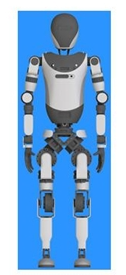
The robots, developed by Swiss company Hexagon Robotics, are part of its AEON series. Standing 1.65 meters tall and weighing approximately 60 kilograms, AEON units feature wheeled feet for mobility. They can carry up to 15 kilograms for short periods or 8 kilograms indefinitely. Each robot operates for up to 8 hours per shift and autonomously swaps its depletable battery pack every 3 hours, ensuring continuous productivity.
This deployment highlights BMW’s commitment to leveraging robotics to enhance manufacturing efficiency, with humanoid machines poised to complement—and in some cases replace—human labor in critical production stages.