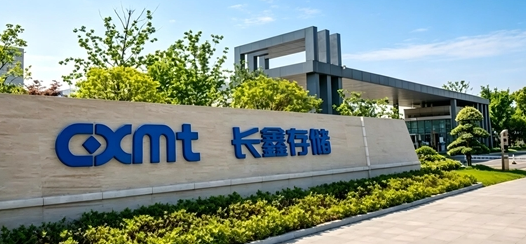





August 5, 2026 – Driven by the unprecedented memory shortage triggered by surging artificial intelligence infrastructure demands, major PC manufacturers such as Hewlett-Packard, Asus, and Acer have begun integrating small batches of DRAM chips from China’s CXMT (ChangXin Memory Technologies) into their supply chains.
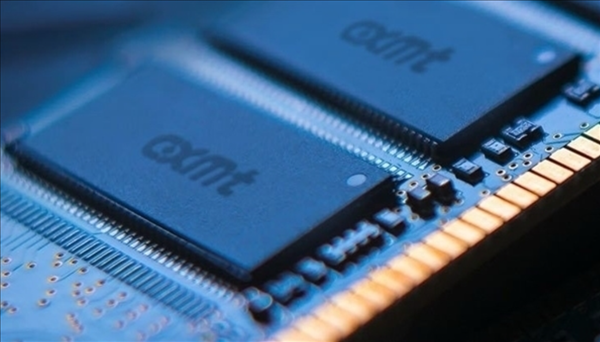
Multiple industry insiders revealed that these PC giants completed the certification process for CXMT’s DRAM chips around the middle of this year and have already started deploying them in select laptop models. However, the volume and the number of affected models remain extremely limited. This restraint is primarily due to CXMT prioritizing the majority of its production capacity for domestic Chinese clients, meaning laptops equipped with these chips are currently restricted to non-U.S. markets.
Despite the severe memory and CPU shortages that have plagued the PC and smartphone sectors since late last year, PC makers are approaching CXMT with notable caution. Insiders pointed out that companies are hesitant to scale up their adoption for fear of antagonizing the world’s three dominant memory manufacturers: Micron, Samsung Electronics, and SK Hynix.
A senior PC executive directly familiar with the situation explained that because these three giants control over 90% of the global DRAM market, PC makers must exercise extreme discretion. “We must be highly cautious and keep our use of CXMT chips under the radar, especially in the current seller’s market. We simply do not dare to procure large volumes at this stage,” the executive stated.
Nevertheless, as companies like HP, Dell, Asus, and Acer seek to diversify their supply chains to mitigate risks, CXMT has emerged as a critical alternative. The broader industry, however, continues to face grim forecasts. Market research firm IDC predicts that the severe memory shortage will cause global PC shipments to plummet by more than 11% in 2026, with supply constraints expected to worsen significantly before the end of the year.