


September 14, 2026 – Recently, U.S. Transportation Secretary Sean Duffy wrote to Ford CEO Jim Farley, accusing the automaker of being too deeply intertwined with Chinese companies and posing supply chain security risks. He demanded that Ford sever its collaborations with CATL, Geely, and BYD.
The letter specifically highlighted Ford’s battery technology licensing project at its Michigan plant and its joint venture layout with Geely in Europe, arguing that such partnerships would undermine the security of the domestic U.S. auto industry.
In response to the public government pressure, Jim Farley stated in an interview: “These are basic misunderstandings, outright lies, or whatever word you want to use. This could all be clarified in a five-minute phone call.”
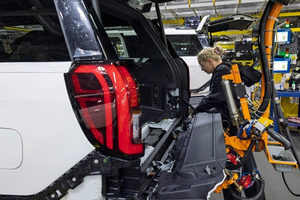
Just two days later, on the 10th of this month, Ford officially announced an additional $1 billion investment in its Kentucky truck plant to build a new paint shop, with construction planned to begin later this year.
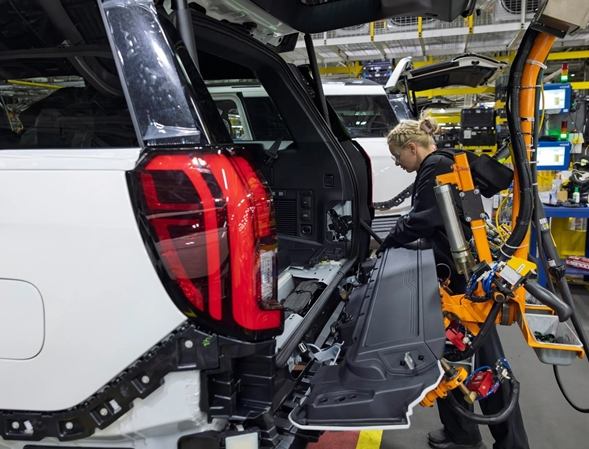
This facility is Ford’s most profitable production base, primarily manufacturing popular large vehicles such as the Super Duty heavy-duty pickups, Ford Expedition, and Lincoln Navigator.
Combined with Ford’s previous investments in Kentucky, which include $2 billion to revamp the Louisville plant and another $2 billion to build a battery plant, this move further doubles down on domestic manufacturing in the United States.
The White House’s official account subsequently posted a message praising Ford, calling it an excellent domestic American enterprise.
Ford emphasized that its arrangement with CATL is strictly a technology licensing agreement, not a joint venture. The factory is located on U.S. soil and will create over a thousand American jobs. While Ford will not immediately terminate its existing commercial partnerships, it is willing to continuously increase its investment in U.S. domestic manufacturing to signal its commitment to “rooting itself in American manufacturing” to regulators.