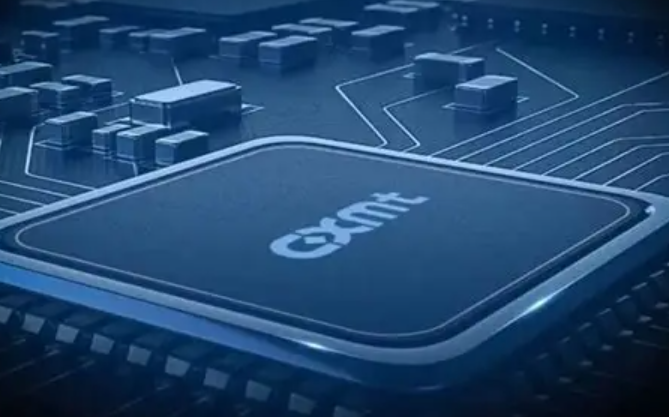







August 10, 2026 – In a strategic maneuver to combat severe global memory shortages driven by the artificial intelligence boom, Apple is currently testing DRAM chips manufactured by China’s CXMT (ChangXin Memory Technologies). According to multiple industry reports, Apple has initiated preliminary discussions with CXMT to potentially integrate these memory chips into its iPhone and MacBook product lines, specifically targeting devices sold within the Chinese market.

This aggressive supply chain pivot comes as Apple has recently raised product prices globally due to skyrocketing memory costs. By cultivating a domestic Chinese supplier, Apple aims to gain crucial bargaining power against the entrenched oligopoly of Samsung, SK Hynix, and Micron. However, this potential partnership faces formidable regulatory and logistical hurdles.
Under current U.S. federal regulations, American companies are prohibited from sharing technical specifications or engaging in bidirectional technical exchanges with CXMT. Consequently, Apple cannot place customized chip orders and is restricted to purchasing standardized, off-the-shelf components. Furthermore, Apple is actively lobbying the White House for formal approval to mitigate geopolitical and compliance risks before finalizing any agreements.

Even if regulatory clearance is granted, physical supply constraints remain a critical bottleneck. CXMT’s manufacturing capacity is currently operating at maximum utilization, leaving virtually no surplus to accommodate new international clients.
While companies like HP and Acer have secured limited allocations, analysts warn that Apple’s actual procurement scale would likely be restricted to entry-level models, such as the iPhone 18e, due to weak domestic demand for low-end devices. Ultimately, industry experts suggest that Apple’s primary objective may not be to achieve massive cost reductions, but rather to use CXMT as a strategic lever to enhance its negotiation position with traditional suppliers for 2026 and 2027 contracts.