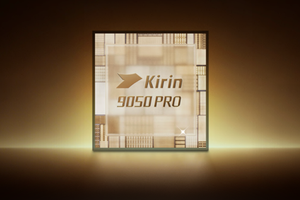





November 15, 2026 – Huawei has released the next set of details on its Kirin 9050 series, focusing on the new Balong AI Modem and its first “fusion communications” architecture. The modem is built around three layers: a Modem AI communications architecture, a multi-system coordination architecture, and a satellite-terrestrial integrated architecture.
On the consumer side, Huawei says the modem can improve train gaming stability, concert photo uploads, subway short-video playback and outdoor network reconnection compared with the “A phone 18 Pro Max,” with claimed reductions in lag or waiting time ranging from 32 percent to 83 percent. For uplink, it says peak, congested, weak-network and high-speed scenarios improve by 43 percent, 83 percent, 49 percent and 69 percent respectively.
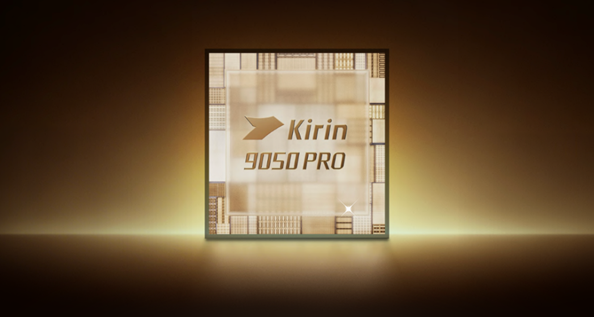
The chip also supports what Huawei calls the industry’s first four-card, three-standby setup: two physical SIMs plus two eSIMs, with any three active at the same time. An AI-based overseas call-forwarding detection feature is said to identify more than 90 percent of fraud calls routed through overseas numbers.
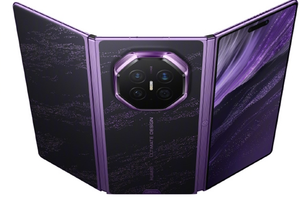
All performance figures come from Huawei’s own lab comparisons and have not been independently verified. The Kirin 9050 series, the first τ-chip built on Huawei’s “logic folding” architecture, is already shipping in the Mate 90 Pro Max, Mate 90 RS Ultimate Design and Mate XT 2 Ultimate Design.