

November 12, 2026 – TCL CSOT has begun mass-producing its “Ultra-High Mobility 50” oxide backplane technology on an 8.6th-generation line, marking the first time an oxide display panel with electron mobility above 50 cm²/V·s has reached commercial production.
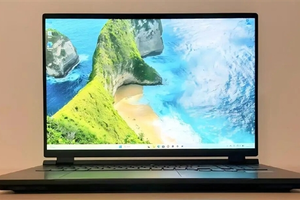
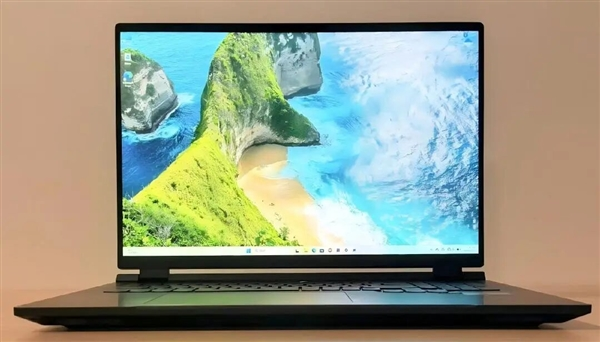
The first product to use the technology is an 18-inch high-refresh-rate gaming laptop display. TCL CSOT said the panel will be showcased at DTC 2026, its global display ecosystem conference in Wuhan on November 13.
Oxide thin-film transistors already offer very low off-state current, which helps displays consume less power when showing static content. By raising mobility to around 50 cm²/V·s, TCL CSOT says the new backplane can support higher refresh rates, finer pixel structures and more efficient gate-driver circuits without pushing up power draw. The company reported an average mobility of 51.6 cm²/V·s and film-thickness uniformity better than 5 percent using a new multi-layer sputtering process developed with Professor Hideo Hosono’s team.
The technology also enables narrower bezels and higher aperture ratios, meaning high-resolution screens no longer need to sacrifice brightness. On the circuit side, TCL CSOT has adopted a Demux 1:3 plus single-IC driving scheme that cuts data channels and driver IC usage to one-third of conventional designs, while addressing threshold-voltage shift and heat management challenges that typically accompany higher-mobility materials.
For the panel industry, the development matters because it strengthens LCD’s position in premium IT displays. High-end notebooks and monitors have increasingly shifted toward OLED for contrast and response speed, but advanced oxide LCDs can compete on refresh performance, power efficiency, cost, lifespan and burn-in resistance. TCL CSOT’s move comes as its Guangzhou T9 line, the main base for high-end oxide IT panels, has seen strong demand and improving profitability.
Beyond laptops, the company sees potential applications in VR/AR headsets, medical monitors and automotive displays, where high refresh rates, color accuracy and long-term reliability are critical.
TCL CSOT has been upgrading its oxide roadmap in stages: standard oxide IGZO entered mass production in 2024, mobility-30 oxide followed in 2025, and the mobility-50 generation is now reaching volume manufacturing. The shift suggests that oxide backplanes will play a larger role in next-generation AI PCs and mid-size professional displays, even as the company continues to develop printed OLED capacity for later this decade.