



August 20, 2026 – The global tablet market is currently navigating a severe downturn, with shipments falling to 33.61 million units in the second quarter of 2026. According to the latest data from the International Data Corporation (IDC), this represents a 5.2% drop from the previous quarter and a staggering 12.3% decline year-over-year, marking the steepest contraction in the current market cycle.
The primary catalyst for this slump is an ongoing memory crisis. As AI infrastructure development aggressively consumes DRAM and NAND production capacity, the resulting supply shortage has driven up component costs across the consumer electronics sector. Major manufacturers, including Apple, Samsung, and Lenovo, have responded by raising tablet prices by up to 20%, which has significantly dampened consumer demand.
The impact has been particularly acute in the United States. Despite a slight 7.1% rebound from the first quarter, U.S. shipments plummeted 31.6% compared to the same period last year. American consumers and manufacturers are currently squeezed by both soaring memory costs and additional tariff pressures. The challenging environment has even prompted Amazon to scale back its tablet business. Conversely, manufacturers with production facilities outside of China, such as Samsung and Lenovo, are expected to gain a competitive advantage as supply chain pressures mount.
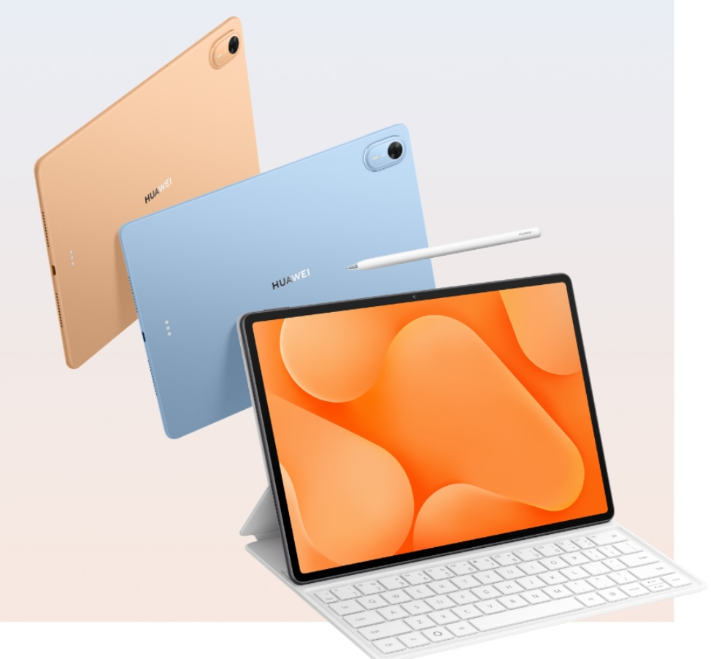
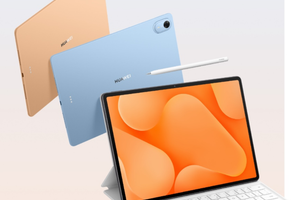
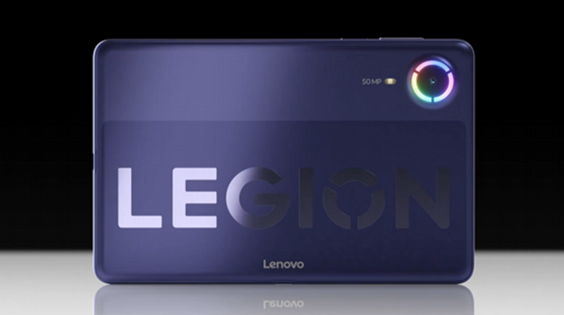
Interestingly, the market is undergoing a structural shift. Traditional slate tablets saw a sharp 19.8% drop in shipments, driven by weakness in the low-end segment. In contrast, detachable tablets experienced only a 6.1% decline. This resilience indicates a broader transition toward devices with stronger PC-like attributes and productivity capabilities, catering to commercial users who are less sensitive to price hikes. Amidst this broader market contraction, select manufacturers have managed to thrive: Lenovo led the pack with a 26.2% year-over-year growth, while OPPO and Huawei also posted gains of 10.5% and 9.1%, respectively.
Despite these short-term fluctuations, the tablet industry faces a more profound, long-term identity crisis. Even before the memory shortage, tablets were struggling to define their unique value proposition. AI-powered PCs are increasingly encroaching on productivity use cases, while larger smartphones and foldable devices are capturing the casual browsing and entertainment market. Furthermore, budget mini-PCs and laptops are competing aggressively in the sub-$200 price tier.
Looking ahead, IDC notes that while memory supply and pricing will eventually stabilize, the tablet market’s future recovery will depend entirely on whether manufacturers can successfully differentiate their products from both PCs and smartphones. Fortunately, because memory accounts for a lower percentage of total bill-of-materials costs in tablets compared to smartphones, manufacturers still retain some pricing flexibility to protect their market share during this challenging period.