



June 12, 2026 – Porsche’s chief executive, Michael Leiters, has openly conceded that the Taycan — the brand’s inaugural all-electric sports car — may have arrived ahead of its time when it launched in late 2019.
Designed as Porsche’s bold entry into the electrification era, the Taycan debuted with impressive credentials, notably introducing an 800V high-voltage architecture that set a new benchmark for premium electric performance vehicles. Early on, sales momentum was strong enough to push the model past the iconic 911, making it one of the company’s top sellers. However, that success proved short-lived, as global demand has steadily declined in recent years with no clear sign of recovery.
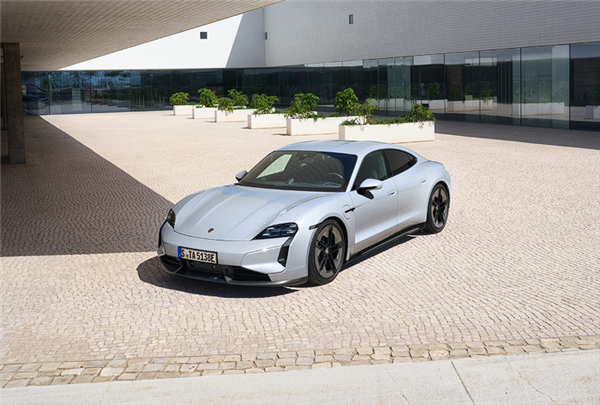
Leiters attributes the Taycan’s struggles to a convergence of unfavorable conditions. In 2019, the broader EV market was still in its infancy, charging networks were sparse, and most enthusiasts remained loyal to the visceral experience of combustion engines. Compounding the issue, the Taycan’s premium pricing made it vulnerable as rivals flooded the high-end electric segment, intensifying competition.
That said, Porsche views the Taycan’s journey as far from wasted. The model served as a proving ground, allowing the company to refine its electric powertrain technology, chassis calibration, and supporting infrastructure — knowledge now feeding directly into vehicles like the electric Macan.
The lesson has reshaped Porsche’s broader strategy. Rather than pursuing an aggressive all-electric pivot, the brand has adopted a multi-path approach: the 911 will continue to offer combustion power alongside hybrid and e-fuel options, while the company’s near-term growth ambitions are now anchored to the more market-ready electric Macan.