



May 15, 2026 – Lotus has officially abandoned its all-electric ambitions, unveiling a new three-pronged product strategy that brings internal combustion engines back from the brink of extinction.
The British sports car maker, led by CEO Feng Qingfeng, revealed its “Focus 2030” plan on May 13, a dramatic reversal that scraps the brand’s previous commitment to go fully electric by 2028. Instead of an all-EV lineup, Lotus will now offer a mix of pure electric, plug-in hybrid, and traditional combustion-powered sports cars — a shift Feng described as a pragmatic response to market realities rather than a failure of vision.
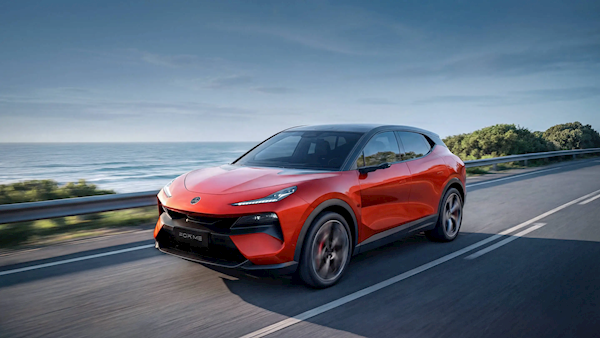
“We will deliver pure electric, plug-in hybrid, and combustion models side by side, until market conditions are right for a full transition,” Feng wrote in a letter to employees.
The pivot comes after a punishing financial stretch. In 2025, Lotus reported revenue of just 519million,astaggering443.1 billion.
Its electrification bet, anchored by the Evija hypercar and the ELETRE and EMEYA SUVs, never gained the traction Lotus had hoped for. Global sales in 2024 totaled a meager 12,100 units, with monthly deliveries in China — once seen as a critical growth market — averaging under 250 vehicles.
Lotus had already been testing the waters before the formal announcement. In March 2026, it launched the “For Me,” a midsize plug-in hybrid SUV priced from 508,000 yuan (roughly $70,000). The Emira, originally billed as the brand’s swan song for combustion engines, will also get a second life with an updated Emira 420 variant.
Perhaps the most eye-catching detail from the new strategy: the Type 135, initially conceived as a pure-electric model, has been retooled around a V8 hybrid powertrain targeting 1,000 horsepower — a clear signal that Lotus still sees a future for combustion in its performance DNA. A new lightweight, high-performance combustion sports car is also expected to debut within weeks.
The move effectively erases the “Vision 80” roadmap introduced in 2018, which had positioned the Emira as Lotus’s final internal combustion vehicle and pledged a 100% electric product line by 2027–2028.
Lotus is far from alone in reconsidering its electrification timeline. Both Porsche and Aston Martin have recently softened their own all-EV targets, suggesting the luxury performance segment is collectively acknowledging that the market simply isn’t ready to ditch combustion — at least not yet.