





June 18, 2026 – Google is reportedly in talks to source DRAM chips from China’s CXMT, with the claim coming directly from CEO Sundar Pichai, according to industry insiders.
The move comes amid a global memory shortage that has stretched Samsung, SK Hynix, and Micron to their limits. As the fourth-largest DRAM producer worldwide, CXMT has naturally attracted the attention of the search giant.
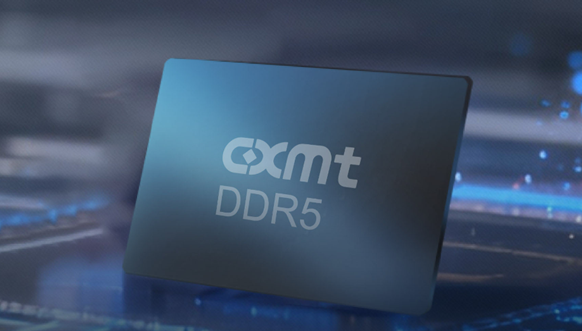
It remains unclear exactly where Google intends to deploy Chinese-made memory. Pixel handset volumes are too small to justify such a move, while using these chips in cloud infrastructure would raise regulatory red flags. The most plausible explanation points to Google’s in-house TPU program.
The company’s next-generation Humufish TPU is slated to reach 3.5 million units by the end of 2028 — a target that demands enormous DRAM capacity. Separate reports suggest Google has already placed orders with Intel Foundry for over 3 million TPUs, with a longer-term ambition to scale to 7 million units annually.
For CXMT, the timing is equally critical. The company is gearing up for an IPO, seeking to raise 29.5 billion yuan to fund capacity expansion and R&D. Its current monthly output stands at roughly 200,000 wafers, with a target of 300,000 by year-end.
Also worth noting: Washington had reportedly prepared to blacklist roughly 100 Chinese entities including CXMT, but that action has since been put on hold.
Should Google seal the deal, it would not only validate CXMT with a marquee global customer but could also trigger a domino effect among other tech titans — potentially cracking open the entrenched oligopoly that has long defined the memory market.