





June 15, 2026 – China has dethroned Japan as Australia’s top source of imported vehicles, ending a 28-year dominance after a stunning 83% surge in shipments over the past twelve months.
The numbers tell the story plainly. In April alone, nearly 36,000 Chinese passenger cars rolled into Australia, outpacing Japan’s 29,000. Over the first four months of the year, total Chinese vehicle imports already crossed the 100,000 mark — a pace few analysts predicted at the start of 2026.
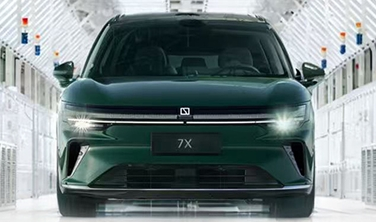
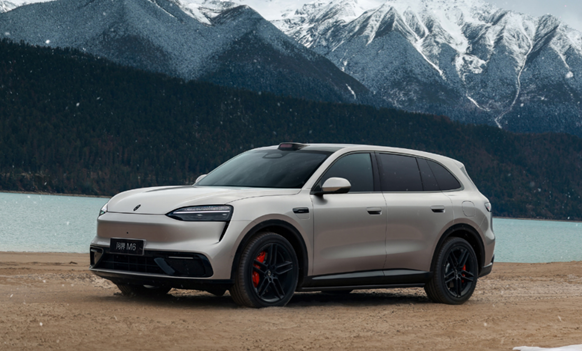
Fuel prices have been a decisive factor. As Australians increasingly turn to cheaper-to-run alternatives, new energy and hybrid models captured close to half of all new-car sales in May, with pure electric vehicles accounting for roughly 20%. Chinese EVs, well-positioned to meet this demand, have been the primary beneficiaries.
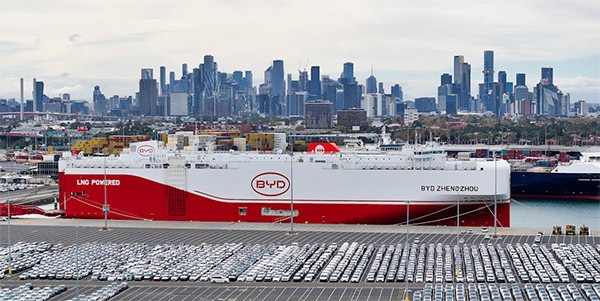
The shift is visible at the docks. Melbourne Port, which handles more than a third of Australia’s container trade, saw Chinese containers make up 52% of its throughput last year — ten times the share from the United States. Vehicle imports tell a similar tale: Chinese cars have jumped from 15% of the port’s auto imports a year ago to 27% today, closing in on Japan’s 30% share. On busy days, the port moves roughly 1,100 vehicles, with Chinese electric models standing out.
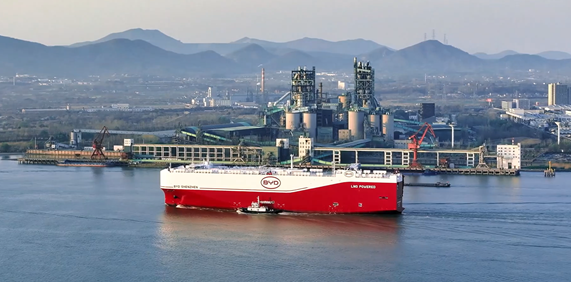
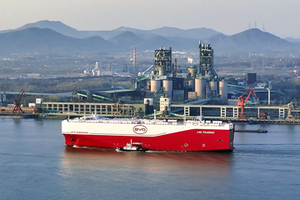
BYD leads the charge. The Shenzhen-based automaker is now Australia’s second most popular car brand, with May sales spiking 155% year-on-year. Its arrival is backed by serious logistics: the roll-on vessel Zhengzhou recently delivered nearly 4,800 BYD vehicles to Melbourne, adding fresh inventory to an already competitive market.