



August 14, 2026 – Despite months of persistent industry rumors and active internal testing, Samsung has officially decided against incorporating variable aperture technology into its upcoming Galaxy S27 smartphone series.
According to recent reports, Samsung’s mobile division evaluated prototype camera modules developed in collaboration with suppliers MCNEX and Samsung Electro-Mechanics. However, the company ultimately scrapped the initiative after concluding that the hardware would not deliver a proportional return on investment. Internal assessments revealed that the mechanical complexity would significantly inflate the bill of materials (BOM) and increase the camera module’s thickness, compromising the device’s sleek design. More critically, Samsung engineers determined that the actual enhancement in image quality would be marginal and largely imperceptible to everyday users.
This decision marks another chapter in Samsung’s complicated history with mechanical apertures. The company originally pioneered the feature on the Galaxy S9 and S10 in 2018, allowing users to physically switch between f/1.5 and f/2.4 apertures. However, as computational photography and AI-driven image processing advanced rapidly, Samsung eventually abandoned the mechanical approach in favor of software-based solutions, making the S27’s cancellation a continuation of a long-standing strategic pivot rather than a sudden reversal.
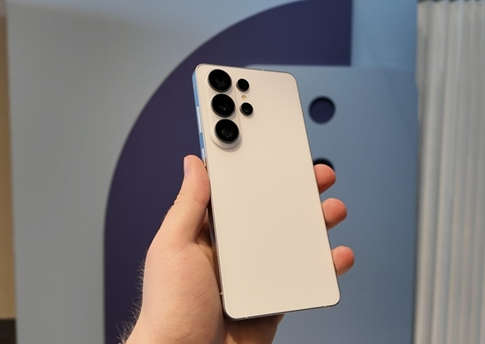
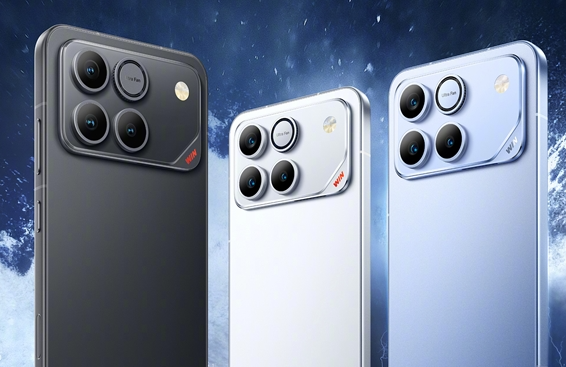
Samsung’s hesitation comes at a time when variable apertures are experiencing a major renaissance among its fiercest competitors. Chinese tech giant Huawei has already integrated the technology as a standard feature across its premium Pura and Mate flagship lines. Furthermore, Apple is reportedly preparing to debut variable aperture lenses in its iPhone 18 Pro models this September, signaling a broader industry shift toward optical versatility.
Proponents of the technology argue that mechanical apertures offer distinct advantages that software struggles to replicate. Primarily, they provide superior light management: opening wide in low-light environments to capture cleaner images with less noise, and stopping down in bright conditions to prevent overexposure and maintain edge-to-edge sharpness. Additionally, variable apertures deliver authentic optical depth of field, creating natural background blur for portraits while allowing for entirely sharp landscapes. Finally, they offer enthusiasts granular creative control, enabling manual adjustments to balance bokeh and clarity based on specific photographic needs. Whether Samsung will eventually reconsider this hardware remains to be seen, but for the S27 generation, the company is clearly betting on software over mechanics.