





June 22, 2026 – A humanoid robot named Pemba has made history by becoming the first of its kind to summit a peak above 6,000 meters, reaching an elevation of 6,200 meters on Ecuador’s Chimborazo volcano on June 5. Developed by U.S. startup Geologic Dome, Pemba is a heavily modified version of Unitree’s G1 humanoid platform.
The 16-hour ascent followed a standard mountaineering route. On sections with slopes under 30 degrees, the robot navigated autonomously. On steeper, more technical terrain, human climbers physically carried it through the toughest passages. Throughout the climb, Pemba endured freezing temperatures and thin air — conditions that would break most consumer-grade hardware.
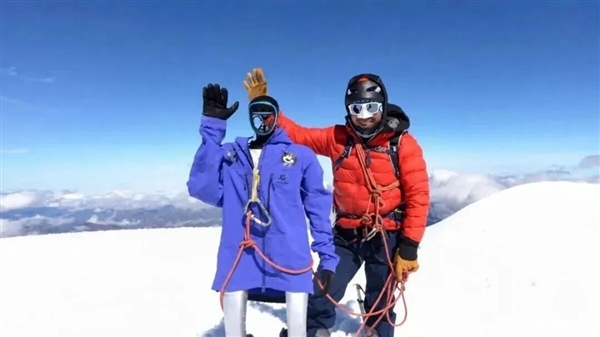
To survive the environment, the team outfitted Pemba with a custom insulated jacket and leg covers. Inside the jacket, a bespoke ventilation system manages the conflicting demands of extreme cold and the heat generated by the robot’s motors. This thermal solution draws on earlier cold-weather trials conducted in Altay, China, where the G1 reportedly operated in temperatures as low as -47.4°C.
Chimborazo is just the opening move in what project lead Pablo calls a “triple crown” expedition. The next target is Mauna Kea in Hawaii — technically the tallest mountain on Earth when measured from its underwater base. The final and most ambitious goal: Mount Everest.
On Everest, Pemba is expected to operate between base camp and Camp 4, at nearly 8,000 meters, gathering data on battery performance, locomotion, joint stress, and environmental resilience. But the team stresses this isn’t a stunt. The real aim is building autonomous, mobile robot systems capable of working in the planet’s harshest environments — from cleaning up Everest’s garbage to monitoring glaciers, conducting search-and-rescue missions, and carrying out environmental surveys.