







August 11, 2026 – Rumors recently circulated in the tech industry suggesting that OPPO and vivo had finalized a deep strategic partnership to jointly launch a pocket gimbal camera, with all core imaging technologies shared between the two giants to challenge market leaders DJI and Insta360. However, both companies have officially and categorically denied these reports, stating that no joint R&D agreements exist and there are no plans to co-develop such a product.
Despite the debunked rumors, supply chain insiders reveal that both tech behemoths are actually advancing their own independent initiatives in the handheld gimbal camera sector. Vivo officially confirmed that it initiated a Vlog camera project in late 2025, backed by a dedicated team of over 200 engineers, and its first product has already completed the molding phase. Meanwhile, OPPO is steadily progressing with its internally codenamed “Fuyao” gimbal camera project, which is slated for a market release in the fourth quarter of 2026. Adding to the competitive landscape, Honor is also entering the fray, simultaneously testing the waters via ODM partnerships and developing a unique smartphone with an integrated gimbal module to carve out a differentiated niche.
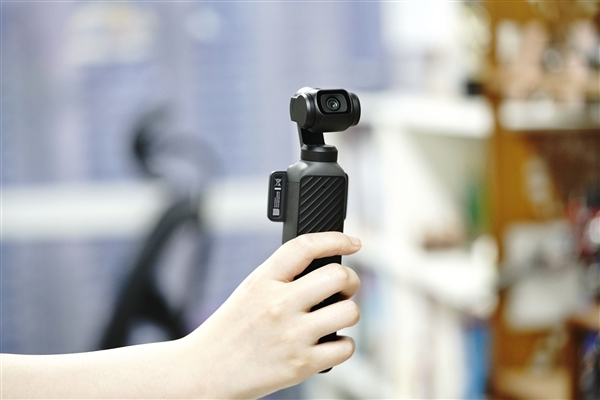
This flurry of activity underscores a massive shift in the consumer electronics landscape. Since 2026, the handheld gimbal camera market has emerged as one of the most highly watched growth engines in the industry, shedding its former niche status. Authoritative industry data indicates that global shipments of handheld smart cameras exceeded 16 million units in 2025, marking a year-on-year surge of over 80%. A prime example of this explosive growth is the DJI Osmo Pocket 3, which surpassed 10 million units in cumulative sales within just 23 months of its launch. What was once a specialized tool for professional short-video creators has now evolved into a mainstream consumer product, driven by the universal boom in short-form video and self-media content creation.