








May 8, 2026 – Tesla has just made a major pricing move in the Canadian market. The starting price of the Model 3 Premium rear-wheel-drive version has taken a massive nosedive, plunging from 79,990 Canadian dollars to 39,490 Canadian dollars. This represents a staggering 50% reduction, marking the lowest price ever for Tesla in Canada.
After this price cut, the Model 3 in the Canadian market is now even cheaper than in China, its home market. For the first time, Canada has overtaken China to become the market with the lowest global Tesla prices.
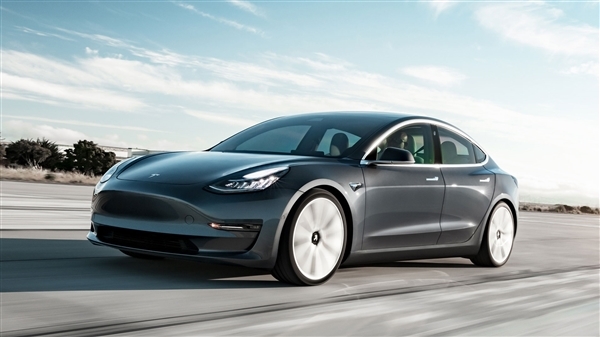
This development has sent Canadian car – buyers into a frenzy. Many who have been eyeing a Tesla are thrilled, with some even taking to social media to express their gratitude, saying things like “Thank you, China.”
There are two key factors behind this significant price drop, both of which are closely related to China. Firstly, there have been adjustments to the China – Canada trade agreement. Starting in early 2026, the import tariff for Chinese – made electric vehicles within the quota (49,000 vehicles per year) in Canada has been slashed from 100% to a mere 6.1%. For the first half of the year, the quota stands at 24,500 vehicles.
Secondly, Tesla has shifted the supply of Model 3 for the Canadian market from its Fremont factory in the United States to its Shanghai Gigafactory. The Shanghai factory, known as Tesla’s most cost – effective production base globally, boasts a mature supply chain and an efficient production system. This has laid a solid foundation for the substantial price reduction.
In contrast, Tesla vehicles produced in the United States still face a 25% tariff when entering Canada, eliminating any cost advantage.
On the Electrek website, one netizen commented, “Without the low costs from the Chinese factory and the tariff benefits between China and Canada, we could never have bought a Tesla at such a low price.” Another joked, “We used to envy the Chinese for buying cheap Teslas. Now it’s our turn. We must thank China!”
Of course, Tesla’s aggressive price – cutting strategy is also driven by its own market considerations. Last year, its sales in Canada plummeted by 60 – 65%, and it lost its top spot in the EV sales ranking to General Motors. At the same time, strong Chinese competitors like BYD are on the verge of entering the Canadian market. The significant price reduction is aimed at regaining the sales crown and locking in market share in advance to deal with the upcoming competitive pressure.