






February 28, 2026 – BMW is set to introduce humanoid robots to its production lines at German factories. As the European automotive industry grapples with mounting cost pressures and intensifying competition, carmakers are increasingly turning to AI-powered robots to slash labor expenses and enhance manufacturing efficiency.
The automaker will kick off a pilot project at its Leipzig plant in Germany, marking its first deployment of humanoid robots at a European factory.
Morgan Stanley projects that the humanoid robot market could soar to $5 trillion by 2050, with China’s large-scale adoption serving as a major growth driver.
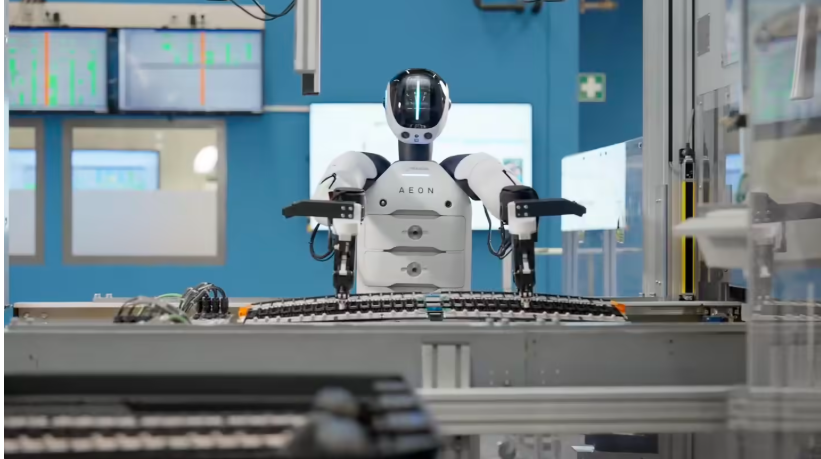
At the Leipzig facility, these humanoid robots will be integrated into assembly line operations and high-voltage battery production. These roles typically demand workers to don heavy protective gear and endure challenging working conditions.
The scale of this project mirrors BMW’s previous pilot at its Spartanburg plant in South Carolina, USA. During the 10-month testing period in the U.S., the humanoid robots contributed to the production of over 30,000 vehicles. Working five days a week for 10 hours a day, they were tasked with precisely positioning sheet metal parts required for welding. BMW noted that this task demanded both high speed and precision while placing a significant physical strain on human workers.
Milan Nedeljkovic, BMW’s production chief who will assume the role of CEO in May, stated, “Digitalization is bolstering BMW’s production competitiveness across Europe and the globe.”
BMW plans to officially implement the project after a testing deployment in April. The humanoid robots will complement existing automation systems, helping to alleviate employee burdens and improve working conditions.
Michael Ströbel, head of BMW’s process management, revealed that the company may eventually assign some production tasks currently handled by suppliers to humanoid robots, enabling more in-house production processes.