






March 30, 2026 – Japan’s Ministry of Economy, Trade and Industry has recently rolled out a revised subsidy plan for new – energy vehicles, triggering a wave of discussions in the automotive market.
Under the new scheme, BYD has witnessed a significant slashing of its vehicle purchase subsidies in Japan. The subsidy for BYD cars has been reduced to 150,000 yen, which is less than half of the previous 350,000 – 400,000 yen. This places BYD at the bottom of the subsidy list among local automakers.
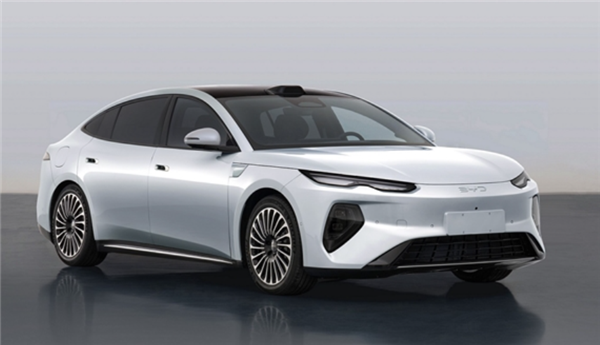
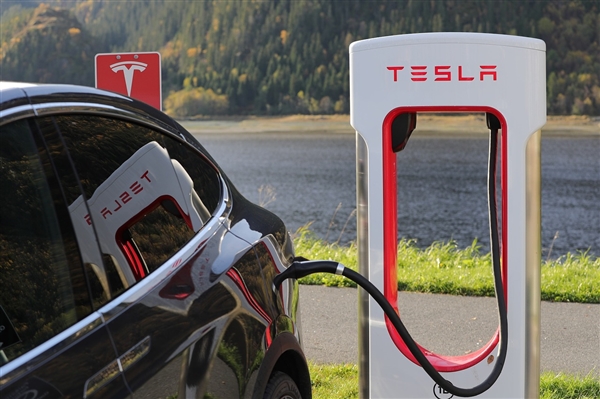
In stark contrast, Toyota’s bZ4X model continues to enjoy the highest subsidy of 1.3 million yen, which is approximately ten times that of BYD’s. Other brands like Nissan and Tesla also receive much higher subsidies compared to BYD.
The new subsidy policy is set to take effect in April this year, and the affected vehicle models will fully comply with the new regulations starting from January 2027.
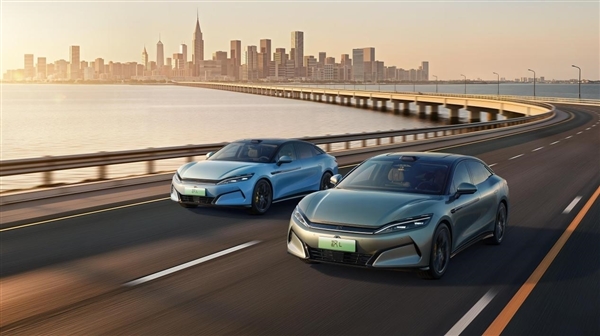
After this adjustment, BYD’s three main models in the Japanese market – the Seal, Dolphin, and ATTO 3 – all fall under the lowest subsidy category. This means a substantial reduction in the purchasing incentives for consumers. BYD Japan has expressed extreme disappointment over this policy, stating that it not only hinders the company’s development but also undermines the rights and interests of local consumers.
The Japanese authorities claim that the difference in subsidies is due to BYD’s relatively low overall corporate score. However, Atsuki Tofukuji, the president of BYD Japan, pointed out that although the company has been actively promoting the layout of fast – charging stations in Japan, it received a zero score in the charging infrastructure category. On the contrary, other manufacturers that have not made such arrangements have scored points. He questioned the fairness of the scoring system. BYD has raised inquiries to the Ministry of Economy, Trade and Industry, but has not received a positive response so far.