







January 20, 2026 – On the 19th, the German government made an announcement that it would offer subsidies of up to 6,000 euros to families purchasing new electric vehicles (EVs), aiming to boost the domestic EV industry. This marks a resumption of similar subsidies after Germany ended its previous EV purchase subsidy program at the end of 2023.
The German Ministry of the Environment stated in a notice on the same day that the subsidy is targeted at private consumers and will be applicable to newly registered pure EVs, certain plug – in hybrid vehicles, and extended – range EVs starting from January 1, 2026. According to the tiered standards set by the government, which take into account vehicle type, family size, and income level, the subsidy amount ranges from 1,500 euros to 6,000 euros.
The plan also includes additional measures to promote the widespread adoption of EVs. One such measure is the extension of tax breaks for EVs until 2035.
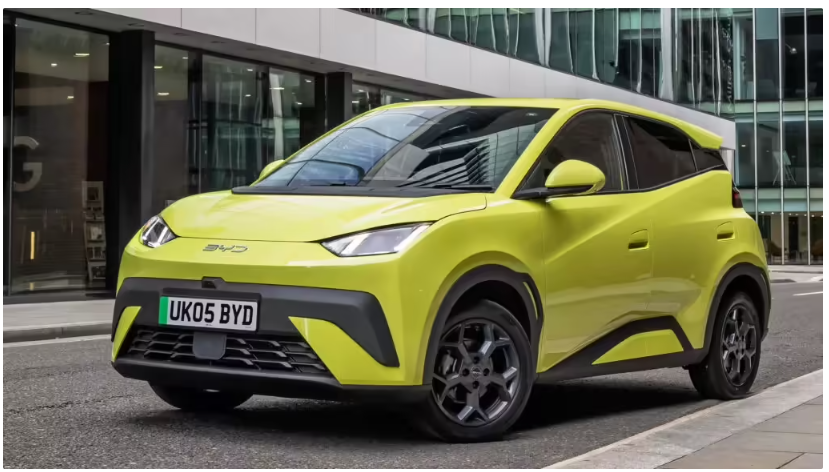
Unlike some neighboring countries, Germany’s EV subsidies will be open to all manufacturers, including Chinese brands. As reported by Bloomberg, the German government has confirmed that there will be no restrictions based on the country of origin. Environment Minister Karsten Schneider said that there is no evidence to suggest a massive influx of Chinese – imported cars, and that domestic brands are competitive enough.
The subsidies in Germany will last until 2029, and applications can be backdated to submissions made on January 1, 2026. The plan was first unveiled in October last year, mainly designed to benefit middle – and low – income families. The final terms are expected to be announced later this year.
Germany previously canceled its EV subsidy program at the end of 2023 due to budget issues, which directly led to a 27% decline in EV sales in the country in 2024. The earlier EV subsidy program in Germany, which ran from 2016 to 2023, distributed approximately 10 billion euros in subsidies to buyers.