





April 9, 2026 – Apple’s annual September product launch event has long been hailed as the “Super Bowl of the tech world.” Traditionally, the unveiling of the latest iPhone models at this time has captured the attention of consumers and industry insiders worldwide.
However, starting with the iPhone 18 series, Apple is set to make a significant shift in its product release strategy. According to well – known Apple tipster Mark Gurman, the company is moving away from its long – standing annual update cycle to a twice – a – year model, aiming to respond more flexibly to the rapidly evolving market demands.
In detail, Apple plans to split its product launches into two phases. This fall, the spotlight will be on the iPhone 18 Pro, iPhone 18 Pro Max, and the highly anticipated foldable iPhone Ultra.
In an unprecedented move, Apple is set to host two major tech events in a year: Three new iPhone models are expected to debut next spring
Then, in March of next year, Apple will introduce the iPhone 18, iPhone 18e, and iPhone Air 2. This staggered release approach is expected to completely transform the purchasing patterns of Apple fans and keep the brand in the limelight throughout the year.
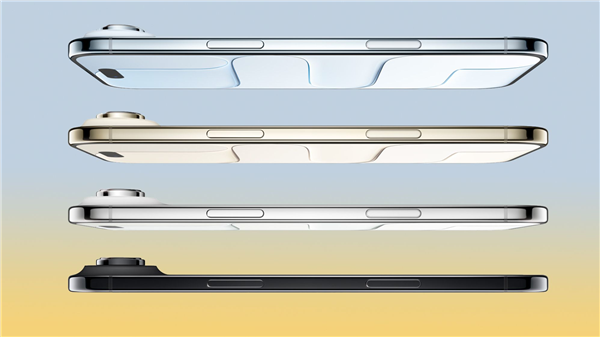
Among these new offerings, the iPhone Air 2 holds a particularly unique position. It is an ultra – thin flagship device. The previous generation, the iPhone Air, did not perform as well as expected in the market. In fact, in January of this year, it saw a massive price drop of 2,000 yuan.
After various subsidies were factored in, the starting price of the first – generation iPhone Air once fell to as low as 5,499 yuan, setting a record for the largest price reduction of an Apple new model shortly after its launch. Despite this rocky start, Apple clearly has not given up on this slim product line.
It is reported that the upcoming iPhone Air 2 will undergo a planned hardware upgrade. To enhance its competitiveness, the new device will feature a 48 – megapixel ultra – wide – angle lens, aiming to make up for the performance shortcomings of the first – generation model in the imaging system.
Industry analysts believe that Apple’s decision to adopt a twice – a – year release strategy has far – reaching business implications. On one hand, it is a direct response to the fierce competition from the Android camp. By launching new products more frequently, Apple can fill the six – month market gap that previously existed.
On the other hand, this adjustment allows Apple to more deftly avoid the super – cycles of significant price increases in components like memory. Through staggered procurement and releases, Apple can better control hardware costs and safeguard its profits in a volatile supply chain environment.