






December 27, 2025 – Ford is quietly undergoing a profound strategic transformation, as reported by Carscoops today. In addition to making significant adjustments to its electrification plans, the automaker is also abandoning its long – held strategy of focusing on small, mass – market vehicles.
Currently, Ford is shifting its focus to what it calls “emotional products.” These include models like the Mustang and the Bronco, which emphasize emotional value, adventure – seeking attributes, and performance expression. Along with pickup trucks, these vehicles form the core of the brand. This change is far from a superficial style adjustment; it represents a complete shift in direction.
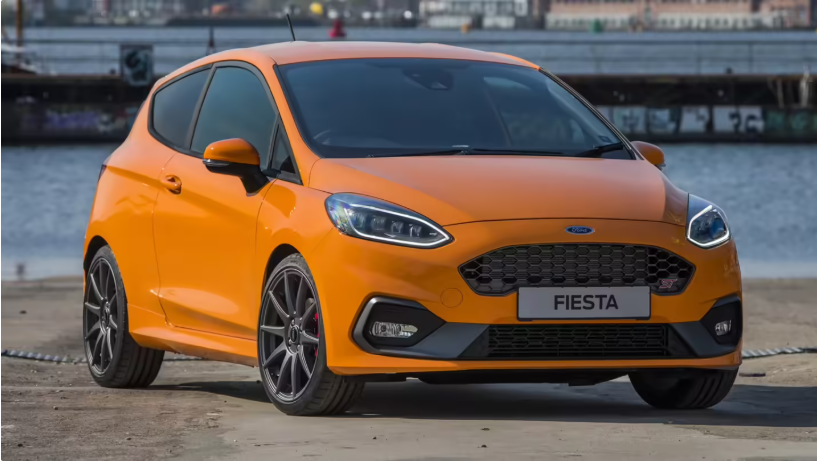
Ford CEO Jim Farley shed light on the real – world considerations behind this decision during an interview. Ford had previously attempted to compete head – on with Japanese and Korean automakers through models such as the Fiesta and Focus. However, continuing this strategy was no longer financially viable.
Farley admitted that building a product lineup that covered all market segments was once regarded as Ford’s spiritual pursuit. Nevertheless, when it came to costs, Ford could never match up to Toyota, Hyundai, and Kia. In the end, Ford had no choice but to redirect its focus towards the Bronco and pickup truck models.
According to the report, Ford had once hoped to offer truly affordable mass – market vehicles, similar to what it achieved during the Model T era. But without a cost advantage, this vision was difficult to sustain. During the process of “business restructuring,” Ford gradually discontinued several mainstream models, including the Escape, Mondeo, Taurus, and Edge. Although the product lineup has clearly shrunk and sales volume has declined, the overall revenue performance has improved.
Data shows that from 2013 to 2017, Ford’s global annual sales consistently exceeded 6.3 million vehicles. In 2018, sales dropped below 6 million units, fell to 4.2 million in 2020, further declined to 3.9 million in 2021, and then stabilized in the range of 4.2 million to 4.4 million units per year.